
Data breach insurance is increasingly becoming an important concern for businesses of all sizes. In the digital era, where nearly every business relies on technology to manage operations, store sensitive data, and interact with customers, the risk of cyber incidents has been increasing day by day. A single breach can disrupt operations, harm reputation, and result in substantial financial loss. We provide useful information to help businesses understand why investing in protection against cyber threats is no longer optional and how it supports long-term stability.
Businesses today manage a huge amount of important data, from customer details to internal business information, which makes them targets for cybercriminals who are always finding new ways to attack weak points in systems. Even with strong security in place, no company is completely safe from a data breach. That’s why data breach insurance is so valuable, it provides a financial safety net that helps businesses recover quickly, reduce losses, and keep operations running smoothly with as little disruption as possible.
Why Cyber Risks Are Increasing for Every Business
Businesses face many challenges, including cyber attacks, phishing scams, malware infections, and unauthorized access to confidential information, because cyber threats are evolving day by day. Cybercriminals often exploit weaknesses in employee practices, outdated software, and insufficient network security measures. The consequences of a cyberattack are not limited to immediate financial loss, they extend to regulatory penalties, legal challenges, and damage to brand reputation.
Even businesses with strong IT systems can still be attacked by hackers. Many reports show that big and well-known companies from different fields have also faced major data breaches, which proves that no company is completely safe. When a breach happens, companies can lose customer trust, their work can stop, and they may face high legal costs. This is why every business should take proactive steps like improving security and getting cyber insurance to reduce these risks and protect themselves.
What Is Data Breach Insurance?
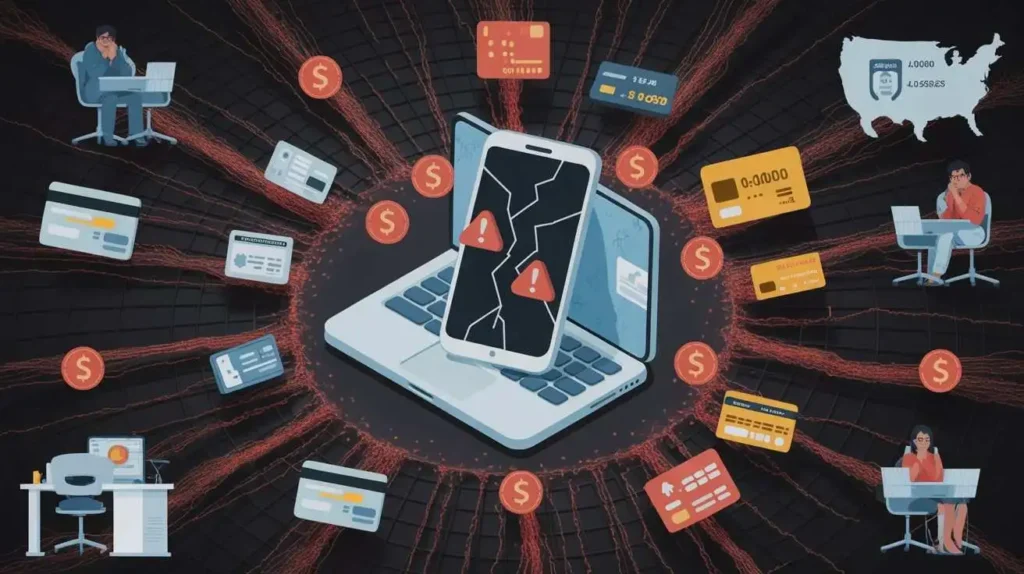
Data breach insurance is a specialized form of coverage designed to help businesses respond to incidents involving unauthorized access to sensitive information. This type of insurance supports companies in managing the financial and operational consequences of cyberattacks. Coverage generally includes costs for informing affected customers, providing credit monitoring, finding out how the breach happened through forensic investigations and managing public relations to protect the company’s reputation.
Unlike general business insurance, Insurance focuses specifically on cyber-related risks. It ensures that businesses are prepared to act swiftly after an incident, reducing both the immediate financial impact and the long-term consequences of a breach.
Key Benefits of Data Breach Insurance
Data breach insurance provides many advantages that make it an essential consideration for any business, regardless of size.
1. Financial Protection
Cyber incidents can result in significant expenses, from legal fees to system restoration. Insurance provides a safety net that helps cover these costs, preventing severe strain on the company’s finances.
2. Reduce Cyber Risks
Knowing that financial resources are available for recovery encourages businesses to implement stronger cybersecurity measures. Insurance complements existing security protocols by providing additional support.
3. Compliance Support
Many U.S. laws, such as the California Consumer Privacy Act (CCPA) and other state data privacy rules, require businesses to protect customer information. Cyber insurance often helps cover the costs related to meeting these legal requirements, making it easier for businesses to stay compliant and avoid penalties.
4. Peace of Mind
You can focus on growing your business and managing daily work without constantly worrying about cyberattacks, because you know a clear recovery cyber insurance plan is ready if something goes wrong.
Common Causes of Data Breaches
Data breaches can occur through a variety of channels, often targeting vulnerabilities in both technology and human behavior. Phishing attacks, for example, exploit employee trust by sending fraudulent emails designed to collect login credentials or other sensitive information. Malware and ransomware attacks can encrypt or destroy critical data, often demanding ransom payments to restore access.
Insider threats are another concern, as employees or contractors may misuse access privileges intentionally or inadvertently. Weak security measures, such as outdated software, poor password management, and unsecured networks, create further opportunities for cybercriminals. Even minor oversights can result in significant consequences, highlighting the importance of comprehensive protection through data breach insurance.
Who Should Consider Data Breach Insurance?
While all businesses benefit from cyber protection, organizations handling large volumes of sensitive information face heightened risks. Industries such as healthcare, finance, retail, and technology are particularly vulnerable due to the nature of the data they manage. These sectors are frequent targets of cybercriminals seeking financial gain or intellectual property.
Small businesses are often at higher risk than larger companies, despite handling smaller amounts of data. Limited resources, fewer cybersecurity measures, and lack of in-house IT expertise make them attractive targets. Studies indicate that a significant percentage of small businesses experiencing a cyberattack close within months due to the financial burden, making data breach insurance a critical component of survival and resilience.
Why Small Businesses Need Cyber Insurance
Small businesses often underestimate their attractiveness to cybercriminals. Many assume they are too minor to be targeted, but the reality is that attackers often focus on smaller companies with weaker security systems. Cyber Insurance for Small Businesses is specifically designed to address their unique needs, providing coverage that includes liability protection for customer data, lost income due to business interruptions, IT recovery support, and assistance with regulatory compliance.
By securing this insurance, small businesses can protect themselves from the potentially devastating financial consequences of cyberattacks. It allows them to operate confidently in digital markets, maintain customer trust, and respond effectively to incidents without jeopardizing their survival.
Steps to Strengthen Cybersecurity
Insurance alone cannot eliminate cyber risk. Businesses must implement proactive measures to protect their digital assets. Employee training is crucial, as many breaches occur due to human error. Educating staff on identifying suspicious emails, avoiding unsafe links, and following secure online practices can significantly reduce risk.
Strong password policies and multi-factor authentication provide additional protection against unauthorized access. Regular software updates and system patches close security gaps that cybercriminals might exploit. Data encryption and secure storage practices ensure sensitive information remains protected even if systems are compromised.
Backup strategies are also vital. Maintaining offline and cloud backups allows businesses to restore operations quickly after an incident, minimizing downtime and financial loss. Combining these measures with data breach insurance ensures that companies are well-prepared for potential threats.
Cyber Insurance Costs and Coverage
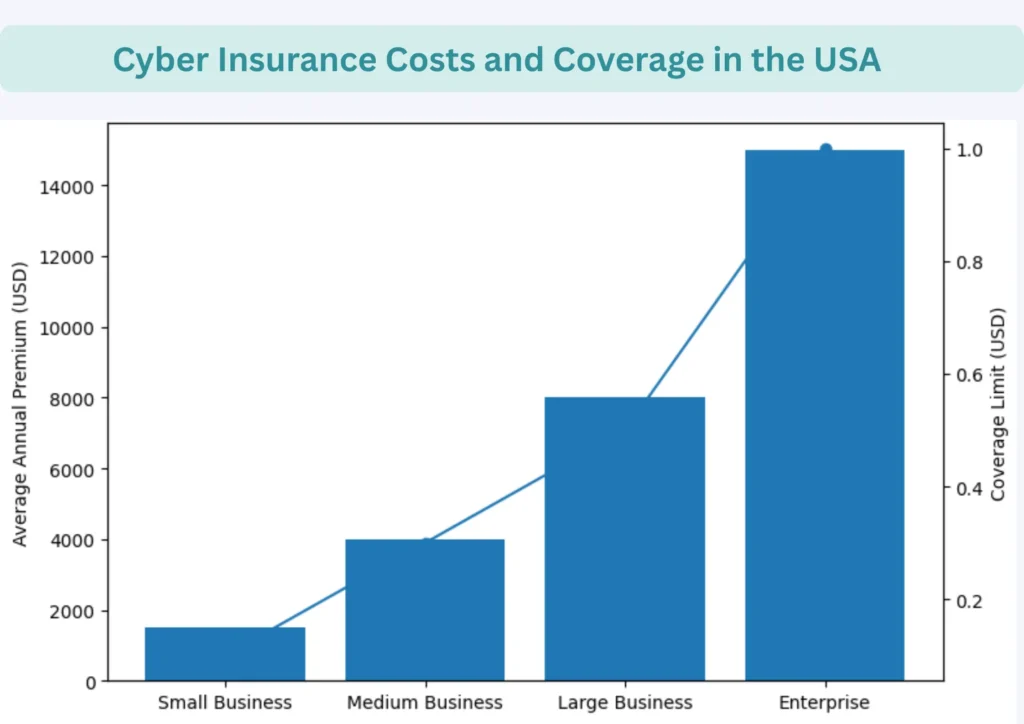
The cost of data breach insurance depends on factors such as business size, data sensitivity, industry risk, existing security measures, and past cyber incident history. While premiums vary, they are generally more affordable than the potential financial consequences of a data breach.
Comprehensive coverage can include customer notification, forensic investigations, legal defense, regulatory fines, and public relations support. Some policies also provide access to expert cyber response teams, enabling businesses to act immediately when a breach occurs. Evaluating these features carefully ensures that the insurance aligns with the company’s operational needs.
Real-World Impact of Data Breaches
Businesses that have experienced data breaches demonstrate the importance of proper coverage. High-profile incidents have resulted in millions of dollars in lost revenue, regulatory fines, and legal settlements. Beyond the immediate financial consequences, affected companies often face lasting damage to their reputation and erosion of customer trust.
Even smaller breaches can disrupt operations and create long-term challenges. Data breach insurance allows businesses to recover efficiently, manage legal obligations, and reassure clients and partners that they remain secure. It transforms potential disasters into manageable situations.
The Role of Cyber Liability Insurance
While data breach insurance focuses on breaches involving customer or sensitive data, cyber liability insurance provides broader coverage. It protects businesses from a variety of cyber risks, including third-party claims arising from network security failures, business interruption caused by cyber incidents, and legal and defense costs associated with lawsuits.
Integrating both forms of coverage creates a comprehensive safety net. Companies are better positioned to respond to incidents promptly, minimize losses, and maintain operational continuity. Cyber liability insurance also complements existing cybersecurity strategies, ensuring businesses are protected both financially and operationally.
How to Choose the Right Cyber Insurance Policy
Choosing the right data breach insurance involves careful assessment of a company’s digital footprint, risk exposure, and operational requirements. Business leaders should review policy coverage, exclusions, and limits, and consider the support provided during incident response. Comparing offerings from multiple insurers ensures that the company obtains coverage that meets its specific needs without unnecessary gaps.
Insurance Centrik provides clear information about insurance with business strategy. Protection should complement existing cybersecurity measures, supporting both risk management and regulatory compliance. A better policy strengthens resilience and provides tangible benefits beyond financial reimbursement.
Integrating Insurance into Risk Management
Data breach insurance and Cyber Liability Insurance are most effective when integrated into a broader risk management strategy. Companies that combine insurance coverage with proactive cybersecurity measures benefit from faster incident recovery, reduced financial exposure, enhanced customer confidence, and compliance support.
Risk management is an essential aspect of business strategy. It extends beyond prevention to include planning for effective recovery and minimizing the impact of cyber threats. Businesses that adopt a holistic approach position themselves to respond effectively to incidents while maintaining operational continuity.
Building a Culture of Cybersecurity Awareness
A strong culture of cybersecurity awareness is most important for minimizing risks. Business leaders should foster an environment where employees understand the importance of data protection and feel responsible for safeguarding information. Regular training, clear communication, and reinforcement of best practices create a workforce that is vigilant and proactive in preventing breaches.
Employees should be encouraged to report suspicious activity immediately, and IT teams should have processes in place to investigate potential threats. Cultivating this culture not only reduces the likelihood of incidents but also enhances the effectiveness of insurance coverage by ensuring that preventive measures are in place.
How Can Businesses Stay Protected Against Future Cyber Risks?
If you have the right protection, your business can respond quickly, recover with fewer losses, and keep working without major problems. We see that planning for cyber risks is not just a smart choice but something every business must do. When companies use strong security steps along with proper insurance, they can protect their reputation, keep customer trust, and continue growing even as cyber threats keep changing.
Why Businesses Must Protect Themselves Against Cyber Threats
Cyber threats are a real and constant risk for every business. If you ignore them, it can lead to big financial losses, legal problems, and damage to a company’s reputation. Cyber Insurance helps businesses respond quickly, recover faster, and keep operations running with less disruption.
Cyber threats are a real and constant risk for every business. If you ignore them, it can lead to big financial losses, legal problems, and damage to a company’s reputation. Cyber insurance helps businesses respond quickly, recover faster, and keep operations running with less disruption.
We know about the importance of making smart choices. Businesses that take cyber protection seriously are not just following rules, they are securing their future, keeping customers’ trust, and staying strong in a digital world. By combining insurance, better security practices, and employee awareness, companies can face cyber risks with confidence. Proactive planning and proper coverage help ensure long-term safety and stability for any organization.
FAQs
Do small businesses need cyber insurance?
Yes. Small businesses are often targeted because they may have weaker security systems. Cyber Insurance for Small Businesses offers tailored protection for data, customer information, and business continuity.
Can insurance help with regulatory compliance?
Yes. Many policies cover costs related to meeting data protection regulations, helping businesses respond to legal requirements and avoid penalties.
What types of incidents does Data Breach Insurance cover?
It can cover problems like phishing scams, ransomware, malware, someone getting into your private data without permission, and other online attacks that can cause money loss, legal trouble, or harm to your business reputation.
How should a business choose the right cyber insurance?
Businesses should assess their digital risks, review coverage options, understand policy limits and exclusions, and compare providers. Choosing insurance that aligns with operational needs ensures maximum protection.

Aarvith is the author and founder of Insurance Centrik. He researches various insurance topics, including auto, health, travel, home, and business insurance. He provides accurate insurance information from reliable sources and industry expertise.