
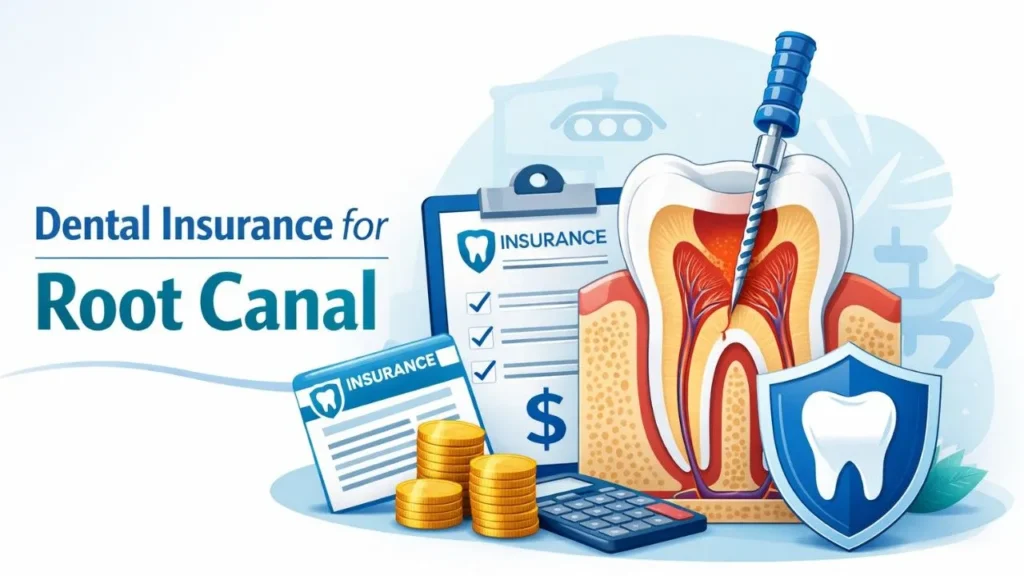
Tooth pain can stop everything. It can interrupt work, disturb sleep, and affect daily life in ways many people underestimate. When a dentist confirms that a root canal is needed, relief is often followed by financial stress. The cost of treatment in the United States can be high, especially without proper coverage. That is where dental insurance for root canal treatment becomes very important.
Root canal procedures are not cosmetic luxuries. They are restorative treatments designed to save natural teeth, prevent infection from spreading, and avoid more complex procedures later. Yet many patients hesitate because of cost. Insurance planning makes the difference between delaying treatment and protecting long-term oral health.
We provide clear guidance on coverage details, cost comparisons, and what to look for when choosing a policy. Our content also helps dental and insurance professionals understand important factors to consider when evaluating plans in the U.S. market. Insurance Centrik focuses on helping people find affordable dental insurance options for root canal treatment.
Why Root Canal Treatment Is Expensive in the USA
A root canal involves removing infected pulp from inside the tooth, cleaning the canal system, sealing it, and often placing a crown. The procedure requires skill, technology, and multiple steps. Costs vary depending on tooth location and case complexity.
In the United States, average costs without insurance are Generally:
- Front tooth root canal: $700 to $1,200
- Premolar root canal: $800 to $1,400
- Molar root canal: $1,000 to $1,800
- Crown after root canal: $900 to $2,000
When combined, a molar root canal and crown can exceed $3,000. For families without strong dental benefits, it becomes a major financial burden. If you don’t buy any dental insurance plans, that is a very big issue when you do root canal treatments. This is why many people search specifically for dental insurance for root canal coverage rather than general dental plans.
Molars are more complex because they have multiple canals, which makes the procedure take longer and requires more skill. On top of that, dental offices in cities often have higher operating costs, which can increase fees. Dental insurance helps to cover these expenses and lower what patients pay out of pocket.
What Dental Insurance for Root Canal Typically Covers
Most dental insurance plans in the United States classify root canal therapy as a major restorative procedure. Coverage generally ranges from 50 percent to 80 percent after deductible, depending on the plan structure.
A standard policy often includes:
- Annual deductible between $50 and $100 per person
- Major services covered at 50% to 70%
- Annual maximum between $1,000 and $2,000
- Waiting period of 6 to 12 months for major procedures
While these numbers appear straightforward, real-world application depends heavily on policy terms. Some affordable plans provide 70 percent coverage for endodontic treatment but limit crown reimbursement. Others offer high annual maximums but include longer waiting periods.
Professionals analyzing Dental Insurance for Root Canal treatment should pay attention to annual maximum limits. A $1,000 cap may not fully cover both root canal and crown expenses in a single year.
Cost Comparison: With and Without Insurance
The financial difference becomes clear when comparing insured and uninsured scenarios.
| Treatment Type | Average Cost Without Insurance | 70% Coverage | Estimated Out-of-Pocket |
| Front Tooth Root Canal | $1,000 | $700 | $300 + deductible |
| Molar Root Canal | $1,500 | $1,050 | $450 + deductible |
| Crown Placement | $1,500 | $1,050 | $450 |
| Total Molar Case | $3,000 | $2,100 | $900 + deductible |
These numbers assume no annual maximum restrictions. If a plan has a $1,000 annual cap, the patient may exceed that limit quickly.
Affordable Dental Insurance for Root Canal treatment works best when the annual maximum is sufficient to absorb both procedures within the same benefit year.
Waiting Periods and Immediate Coverage Options
One major concern in the U.S. dental insurance market is the waiting period. Many policies require members to wait before certain major services become eligible for benefits.
Common coverage structures include:
- Preventive services: Immediate coverage
- Basic services: 3 to 6 months waiting period
- Major services (including root canals): 6 to 12 months waiting period
For individuals who are already diagnosed with a tooth infection, a dental insurance waiting period can create serious challenges. If treatment is urgent, waiting several months may not be practical.
Some insurance plans waive the dental insurance waiting period if the applicant can provide proof of prior continuous dental coverage. Others may provide immediate coverage for major services but reduce reimbursement percentages during the first year.
When evaluating Dental Insurance for Root Canal treatment, timing is just as important as cost. A lower-premium plan with a 12-month dental insurance waiting period may not be helpful for someone who needs immediate care.
Affordable Plan Types in the USA
When comparing PPO and HMO Dental Insurance options in the United States, it is important to understand how each plan structure affects cost, flexibility, and coverage for major procedures like root canal treatment.
Dental insurance products in the U.S. generally fall into three main categories:
1. PPO Dental Plans
Preferred Provider Organization plans offer flexibility. Patients can see in-network or out-of-network providers, but in-network care reduces costs. These plans are popular for root canal coverage because they provide structured reimbursement and negotiated rates.
2. Dental HMO Plans
Health Maintenance Organization dental plans often have lower premiums but require using specific network dentists. Copayments are fixed, and coverage percentages are less common. Root canal copays may range from $200 to $400 depending on tooth type.
3. Indemnity Plans
Traditional fee-for-service plans reimburse a percentage of usual and customary charges. Premiums may be higher, but flexibility is strong.
For affordability, PPO plans tend to balance cost and access effectively, especially for major procedures like root canal therapy.
Benefits of Having Dental Insurance for Root Canal
Beyond cost savings, there are broader advantages to securing coverage before dental emergencies occur.
- Reduces financial stress during urgent treatment
- Encourages early intervention before infection worsens
- Helps cover crown placement after root canal
- Improves long-term oral health stability
- Makes budgeting predictable with known premiums
Patients with coverage are statistically more likely to proceed with recommended treatment promptly, preventing extraction or systemic infection risks.
Dental professionals often observe that insured patients complete full restorative treatment plans more consistently than uninsured individuals.
Comparing Premium Costs in the USA
Affordable Dental Insurance for Root Canal treatment varies widely in monthly premium.
Individual monthly premium ranges often include:
- Basic PPO plan: $20 to $40 per month
- Mid-tier plan: $35 to $60 per month
- High coverage plan: $50 to $80 per month
Family plans increase proportionally.
A $40 monthly premium equals $480 annually. If a root canal costs $3,000 and insurance covers $2,000 of that, the financial return is substantial.
Professionals assessing affordability should calculate annual premium against expected claim value rather than focusing only on monthly cost.
The Role of Annual Maximums in Dental Insurance
Annual maximums are one of the most misunderstood parts of Dental Insurance for Root Canal coverage. Most traditional plans limit benefits to $1,000–$2,000 per year. Once the limit is reached, patients must pay the remaining costs themselves.
For major dental work, especially when multiple teeth need treatment, these annual limits can make procedures much more expensive. Some newer U.S. plans offer tiered annual maximums that increase over time:
- Year 1: $1,000
- Year 2: $1,500
- Year 3: $2,000
This system rewards long-term enrollment and provides better coverage for costly procedures, making root canal treatments more affordable.
Insurance vs. Dental Discount Plans
Consumers often confuse insurance with discount membership plans. They function differently.
Insurance involves premiums, deductibles, and percentage reimbursement. Discount plans require annual membership fees and provide reduced rates through contracted providers.
For root canal treatment:
- Insurance may cover 50% to 80%
- Discount plans may reduce fees by 20% to 40%
If a molar root canal costs $1,500, a 30% discount reduces it to $1,050. Insurance covering 70% may reduce cost to $450 plus deductible.
For high-cost procedures, traditional Dental Insurance for Root Canal treatment often delivers greater financial relief than discount programs.
How Location Affects Dental Cost and Insurance Coverage
Dental costs in the U.S. vary by location, with urban areas like New York and California generally more expensive than rural regions. Local factors such as dentist fees, rent, and demand influence procedure prices.
Insurance coverage also changes by region because networks negotiate fees locally. Reimbursement and out-of-pocket costs can differ by ZIP code, so reviewing regional fees helps ensure your plan provides real value.
Preventive Care and Its Impact on Root Canal Risk
Insurance that emphasizes preventive care reduces the likelihood of root canal procedures in the first place.
Most plans cover:
- Two cleanings per year
- Routine exams
- Basic X-rays
Early detection of decay prevents infection from reaching the pulp chamber. From a cost perspective, prevention costs a fraction of endodontic treatment.
For employers and insurers, encouraging preventive compliance lowers long-term claims exposure.
Protecting Your Household Budget with Family Dental Coverage
Managing dental expenses for an entire household requires careful financial planning. In the United States, when multiple family members need treatment in the same year, costs can rise quickly. Children may require fillings or orthodontic evaluations, while adults may need crowns, periodontal treatment, or even root canal therapy.
When evaluating coverage, families should focus on plans that offer:
- Separate annual maximums per individual rather than a shared family maximum
- Reasonable coverage percentages for basic and major procedures
- Shorter waiting periods for essential treatments
- Broad provider networks for flexibility
It is important to choose a plan with separate per-person annual maximums. If one family member needs a major treatment like a root canal and crown, it should not reduce or use up the benefits available for others under the same policy.
Families should also review how preventive care is covered. Many Dental Insurance Plans for Families provide immediate coverage for cleanings and exams, helping catch problems early and avoid expensive treatments later. The right coverage keeps dental costs under control and protects the household budget.
Employer-Sponsored vs. Individual Dental Insurance Plans
When choosing dental coverage in the United States, many people compare employer-sponsored plans with individual dental insurance plans. Understanding the differences can help you select the right option, especially if you expect major treatment like a root canal.
Employer-sponsored dental insurance usually provides lower monthly premiums because costs are shared across a group. These plans can provide strong value, particularly if major services are already active and there is no long waiting period. However, employer plans may limit flexibility in choosing providers or customizing benefits.
Individual dental insurance plans, on the other hand, offer more portability and control. You can keep the policy even if you change jobs. While premiums may be slightly higher, these plans allow you to select coverage levels, network types, and additional benefits based on your needs.
When comparing employer and individual dental insurance, consider the following factors:
- Waiting periods for major procedures
- Annual maximum benefit limits
- Size of the provider network
- Orthodontic coverage options
- Long-term premium stability
For individuals planning for root canal treatment, employer-sponsored coverage often provides better short-term value if major services are immediately available. However, those seeking flexibility and long-term control may prefer an individual plan.
Long-Term Value of Keeping Natural Teeth
Saving your natural tooth with a root canal is often the smarter long-term choice. While tooth extraction may seem cheaper at first, losing a tooth can lead to shifting teeth, bite problems, and bone loss over time. Replacing a missing tooth with a dental implant in the U.S. can cost between $3,000 and $5,000 per tooth, making it much more expensive than preserving the original tooth whenever possible.
Choosing dental insurance that covers root canal treatment helps protect both your oral health and your financial investment. By keeping your natural teeth, you avoid future complications and higher replacement costs. In the long run, coverage for endodontic procedures supports better dental stability and reduces the need for costly restorative treatments.
Choosing Affordable Dental Insurance for Root Canal
Root canal therapy becomes necessary when an infection reaches the tooth pulp. Delaying treatment can increase both the risk of complications and the overall cost. Having strong dental insurance coverage helps turn a stressful situation into a manageable one.
Affordable dental insurance for Root Canal treatment in the USA should balance premium cost, annual maximum limits, reimbursement percentage, and waiting period structure. Policies that appear inexpensive may restrict major benefits, while slightly higher premiums can offer stronger protection.
If you are planning carefully, it helps patients get the treatment they need on time without facing a heavy financial burden. For dental and insurance professionals, designing coverage that reflects real procedure costs builds trust and ensures long-term satisfaction for patients.
When cost transparency, adequate annual maximums, and fair reimbursement percentages align, dental insurance becomes more than a contract. It becomes a practical safeguard for oral health stability across the United States.
FAQs
How much does a root canal cost in the USA without insurance?
Costs vary by tooth type and location. On average:
- Front tooth: $700 to $1,200
- Premolar: $800 to $1,400
- Molar: $1,000 to $1,800
- Crown after procedure: $900 to $2,000
Without Dental Insurance for Root Canal treatment, a molar case including a crown can exceed $3,000.
Does insurance also cover the crown after a root canal?
In most cases, yes. However, crowns are also categorized as major services and typically covered at 50% to 70%. Coverage depends on annual maximum limits. If the root canal and crown are completed in the same benefit year, benefits may reach the yearly cap quickly.
Are PPO plans better for root canal treatment?
PPO dental plans are often preferred because they provide flexibility and negotiated network fees. Patients can see specialists like endodontists more easily. For Dental Insurance for Root Canal procedures, PPO plans usually provide balanced coverage and provider choice.
Does dental insurance cover emergency root canals?
Emergency root canal treatment is generally covered under major services if the waiting period has been satisfied. If not, emergency exams and X-rays may be covered, but the actual procedure could be excluded until eligibility begins.

Aarvith is the author and founder of Insurance Centrik. He researches various insurance topics, including auto, health, travel, home, and business insurance. He provides accurate insurance information from reliable sources and industry expertise.