
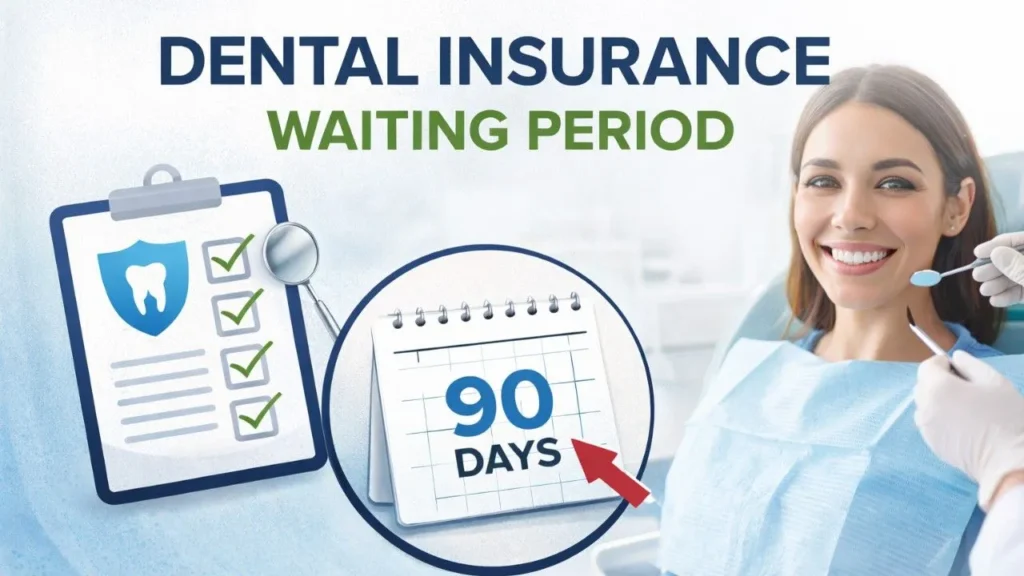
A dental insurance waiting period is a set timeframe during which new policyholders must wait before certain dental services are covered. This period exists to prevent misuse of insurance and to manage costs for insurance providers. It is particularly important for individuals or families planning major dental work, as it directly affects when claims for treatments like crowns, root canals, or orthodontics can be filed.
What is a Dental Insurance Waiting Period and Why It Matters
The waiting period is a clause in most dental insurance policies. During this time, policyholders pay premiums but cannot claim coverage for specific procedures. Its length varies depending on the service type and the insurance plan.
Key reasons for a waiting period include:
- Preventing people from buying insurance only to cover immediate expensive procedures
- Protecting insurance providers from financial risks
- Encouraging regular dental care rather than emergency treatments
Generally, preventive care such as cleanings and exams may have no waiting period, while restorative treatments like crowns, bridges, or dentures may have waiting periods ranging from 3 months to 12 months.
Typical Waiting Periods by Procedure
The waiting period often depends on the complexity and cost of dental services. A detailed breakdown:
| Procedure Type | Typical Waiting Period | Coverage Notes |
| Preventive care (cleaning, X-rays, exams) | 0 months | Usually covered immediately |
| Basic procedures (fillings, simple extractions) | 3-6 months | Coverage starts after initial months |
| Major procedures (crowns, bridges, dentures) | 6-12 months | Longest waiting periods, varies by insurer |
| Orthodontics (braces, aligners) | 12 months or more | Often requires separate plan or rider |
This chart highlights how costs can be managed if policyholders plan dental procedures around the waiting period.
Cost Comparison of Dental Plans with Different Waiting Periods
Insurance premiums and waiting periods often go hand-in-hand. Policies with shorter waiting periods usually have higher premiums, while longer waiting periods may reduce monthly costs.
| Plan Type | Monthly Premium (USA) | Waiting Period | Ideal For |
| Basic Plan | $20-$30 | 3 months | Preventive and minor procedures |
| Standard Plan | $35-$50 | 6 months | Mix of basic and some major care |
| Premium Plan | $55-$75 | 0-3 months | Immediate coverage for major care |
| Orthodontic Add-on | $15-$25 | 12 months | Braces and orthodontic coverage |
From this table, it is clear that users must weigh immediate needs against cost savings. For example, someone needing a crown soon might prefer a premium plan despite higher costs.
Benefits of Dental Insurance with Waiting Periods
While the waiting period may seem inconvenient, it also comes with benefits:
- Lower Premiums: Plans with longer waiting periods tend to cost less monthly.
- Preventive Care Access: Many plans allow preventive care immediately, reducing risk of major problems.
- Financial Planning: Policyholders can schedule major treatments after the waiting period, avoiding sudden expenses.
- Wide Network Access: Even during the waiting period, most plans provide access to a network of dentists for advice or minor issues.
Coverage Options During and After Waiting Period
During the dental insurance waiting period, coverage is usually limited to essential preventive services. Most plans allow policyholders to get routine cleanings, dental exams, and sometimes X-rays right away. Children may also receive fluoride treatments during this period. These early services are designed to maintain oral health and catch small problems before they turn into expensive procedures, even if coverage for major treatments hasn’t started yet.
Once the waiting period ends, coverage expands to include more complex procedures. This typically includes fillings, root canals, extractions, crowns, bridges, and dentures. Some plans also cover orthodontic treatments such as braces or aligners, though these often require longer waiting periods. By waiting, insurance providers ensure that major or costly procedures are claimed in a managed and predictable way.
Coverage percentages vary depending on the type of dental service. Preventive care, like cleanings and exams, is usually covered 100%, meaning you don’t pay anything out-of-pocket. Basic procedures, such as fillings or simple extractions, are generally covered at 70–80%, while major procedures like crowns or dentures may be covered at around 50%. Understanding these coverage levels helps policyholders plan treatment costs and avoid unexpected bills.
Strategies for Maximizing Dental Insurance Value
To avoid surprises due to the dental insurance waiting period, policyholders can:
- Schedule non-urgent major procedures after the waiting period
- Choose a plan that matches long-term dental needs
- Use preventive care to maintain oral health and reduce major treatment needs
- Consider family plans if multiple members need orthodontic care
Impact of Waiting Periods on Different Age Groups
Children and Teenagers
- Preventive care coverage usually starts immediately
- Major procedures like braces may have long waiting periods
Adults
- Basic and major dental work often require careful planning around waiting periods
- Early enrollment before major dental problems arise reduces out-of-pocket expenses
Seniors
- May face higher costs due to age-related dental issues
- Waiting periods can delay coverage for urgent restorative treatments
Comparing US Dental Plans for Waiting Periods
When choosing dental insurance in the USA, users should compare:
- Waiting periods for major procedures – shorter periods offer faster coverage but higher premiums.
- Preventive care coverage – ensures immediate benefits and long-term savings.
- Network of dentists – larger networks offer more convenience.
- Plan costs and copayments – balancing premiums with potential out-of-pocket costs.
Top 5 Dental Insurance Companies in the United States
1. Delta Dental
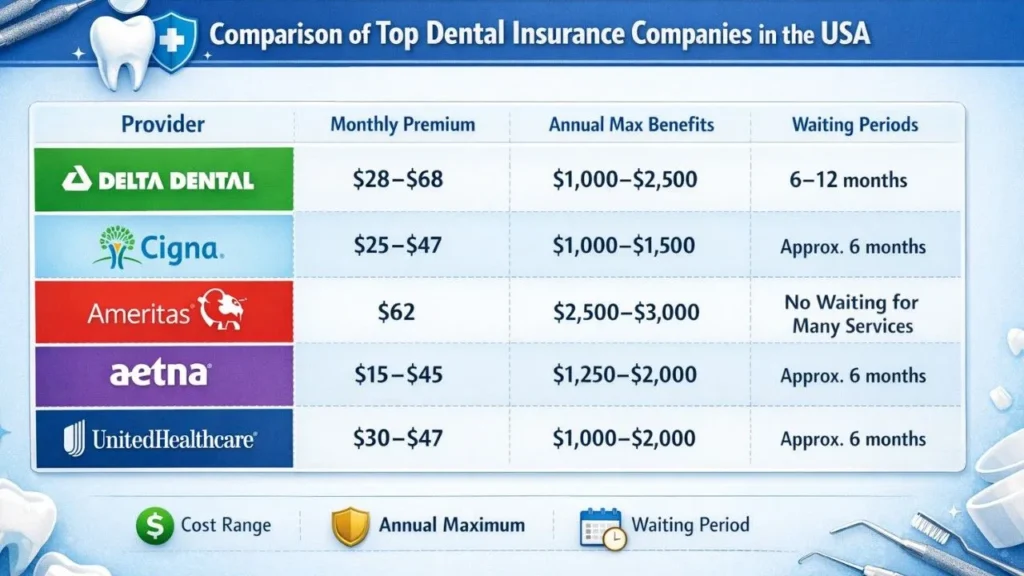
Delta Dental is the largest dental insurance provider in the U.S., covering millions of Americans across the country. It has one of the broadest dentist networks, which makes it easier to find in-network care at dentists near you. Many plans cover preventive services like cleanings and checkups at 100%, with reasonable coverage for basic and major work after the dental insurance waiting period.
2. Cigna Dental
Cigna’s dental plans are strong in terms of network reach, affordability, and customer service. Many plans have no deductible for routine preventive care and provide solid basic and major coverage, though some services like orthodontics can have longer waiting periods. They also offer options that allow visiting dentists outside the network, though at lower reimbursement levels.
3. Ameritas
Ameritas stands out for offering some dental plans with no waiting periods on basic care and sometimes even major care, making it a strong choice for people who want faster access to benefits. Their plans often have higher annual maximums compared with average dental insurance policies, which can help reduce out-of-pocket costs over time.
4. Aetna Dental
Aetna is a popular dental insurance company in the USA that offers both PPO and HMO dental insurance plans for individuals and families. Aetna PPO plans give more freedom to visit any dentist, with lower costs when you choose dentists in the network. HMO plans are usually cheaper and require you to pick one main dentist from a set network. Plans often cover basic care like cleanings and checkups immediately, but larger treatments may require a waiting period.
5. UnitedHealthcare Dental
UnitedHealthcare offers flexible dental insurance plans that are popular both with individuals and employer groups. Known for its extensive nationwide network and affordable plan options, UHC provides comprehensive coverage and often integrates dental benefits with other health insurance offerings.
Cost & Benefits Comparison:
How Insurance Centrik Helps with Smart Coverage Choices
Insurance Centrik helps people make smart decisions about insurance without confusion. It explains different types of insurance—like dental, health, home, and auto—in clear and simple words that anyone can understand. This helps users know what each policy covers and how it can protect them.
The platform focuses on information rather than selling insurance. It shows the pros and cons of different plans, explains waiting periods, coverage limits, and costs, so people can compare options and pick what fits their needs. This makes insurance less stressful and easier to plan for.
Insurance Centrik also keeps its content up-to-date with the latest rules, policy changes, and industry trends. By reading their guides, users can avoid mistakes, understand how insurance works, and make confident choices that protect their health, money, and family.
Dental Insurance Waiting Period and Better Care Planning
A dental insurance waiting period affects when your coverage starts, how much you pay, and how you plan your dental care. It may delay coverage for major treatments, but understanding it helps you plan visits, reduce costs, and use preventive care benefits. By comparing costs, coverage, and plan options, people in the USA can choose a plan that fits their dental needs and budget.
Being aware of the waiting period helps you plan dental visits without stress. You can use this time for regular checkups, cleanings, and basic care that may be covered sooner. This simple planning helps keep dental costs low and improves long-term oral health.
FAQs
How long is the waiting period for major work?
Major dental procedures, like crowns, bridges, dentures, and orthodontics, typically have a waiting period of 6 to 12 months. Some plans may shorten or waive this period depending on the type of plan or selected coverage options.
Can I see a dentist during the waiting period?
Yes, you can visit a dentist during the waiting period for preventive care, consultations, and minor treatments. However, expensive procedures like root canals or crowns won’t be covered until the waiting period ends.
Do waiting periods apply to children?
Preventive care for children, such as cleanings and fluoride treatments, is often covered immediately. However, major treatments like braces or other orthodontic work usually have longer waiting periods before insurance coverage starts.
How can I save money during the waiting period?
To reduce costs, focus on preventive care, plan major treatments after the waiting period ends, use dental discount programs, and maintain regular dental hygiene to avoid emergency dental procedures that can be expensive.