

If you love traveling, you know it brings happiness, new experiences, and lovely memories. Whether it is a family vacation, a business trip, or an adventure in another country, good planning keeps your journey smooth. But sometimes things do not go as planned. Flights get delayed, bags get lost, or you might face health problems.
In situations like these, travel insurance can step in and cover the costs. A good policy protects you from big expenses when a trip goes wrong, and it gives you someone to call when you need help. Below are the main benefits worth knowing about before you travel, and what a policy usually leaves out.
The main travel insurance benefits are trip cancellation, trip interruption, emergency medical coverage, medical evacuation, baggage loss or delay, and travel delay reimbursement. Optional upgrades like Cancel For Any Reason (CFAR) and a pre-existing condition waiver add more protection, but you usually have to buy them within about 10 to 21 days of your first trip payment.
Why Travel Insurance Matters
Trips rarely go exactly to plan. Storms ground flights, people get sick, and sometimes work calls you back early. Without a policy, every one of those costs comes out of your own pocket, and the total can reach hundreds or even thousands of dollars.
With a policy, a good part of it gets reimbursed. Most plans also give you a 24/7 helpline, which matters a lot when you’re stuck far from home.
| Benefit | What it helps pay for | Check before buying |
| Trip cancellation | Prepaid, non-refundable costs | Covered reasons list |
| Medical coverage | Hospital, doctor, prescriptions | Coverage limit |
| Medical evacuation | Air ambulance, medical escort | Evacuation limit |
| Baggage loss or delay | Essentials, lost or damaged items | Per-item caps |
| Travel delay | Meals, hotel, transport | Minimum delay time |
| CFAR (add-on) | 50% to 75% of trip cost | Buy within the time window |
1. Trip Cancellation Coverage
Say you’ve paid for flights, a hotel, and a few tours, and then you fall ill a week before leaving. Without insurance, most of that money is gone. With trip cancellation coverage, you get the non-refundable part back, as long as the reason is covered.
Covered reasons usually include illness, injury, a death in the family, or severe weather. Simply changing your mind is not one of them. For that you’d need a Cancel For Any Reason (CFAR) upgrade, which costs extra and typically pays back around 50% to 75% of your trip cost. You usually have to buy it within a couple of weeks of your first trip payment.
2. Trip Interruption Protection
Sometimes the trip starts fine and you have to cut it short. A parent ends up in the hospital, you get injured, or a hurricane hits where you’re staying.
Trip interruption coverage pays for the part of the trip you couldn’t use, plus the extra cost of getting home, like a last-minute flight. Most people don’t think about this one until they need it.
3. Medical Emergency Coverage
Hospitals and doctors abroad can be shockingly expensive, and your regular health insurance often doesn’t work outside your country. If you’re not sure about yours, check before you travel.
Travel medical coverage can pay for hospital stays, doctor visits, surgery, and prescriptions. Some plans also cover emergency dental care and add a small daily hospital allowance. Food poisoning, a bad fall on a hike, a sudden infection: any of these can turn into a big bill.
4. Emergency Medical Evacuation
If you’re seriously ill or injured, the local hospital may not be able to treat you. You might need to be moved to a better one, or flown home.
That can cost tens of thousands of dollars, and sometimes well over $100,000. Good plans cover air ambulance flights and a medical escort. If you only compare one number between plans, make it this limit.

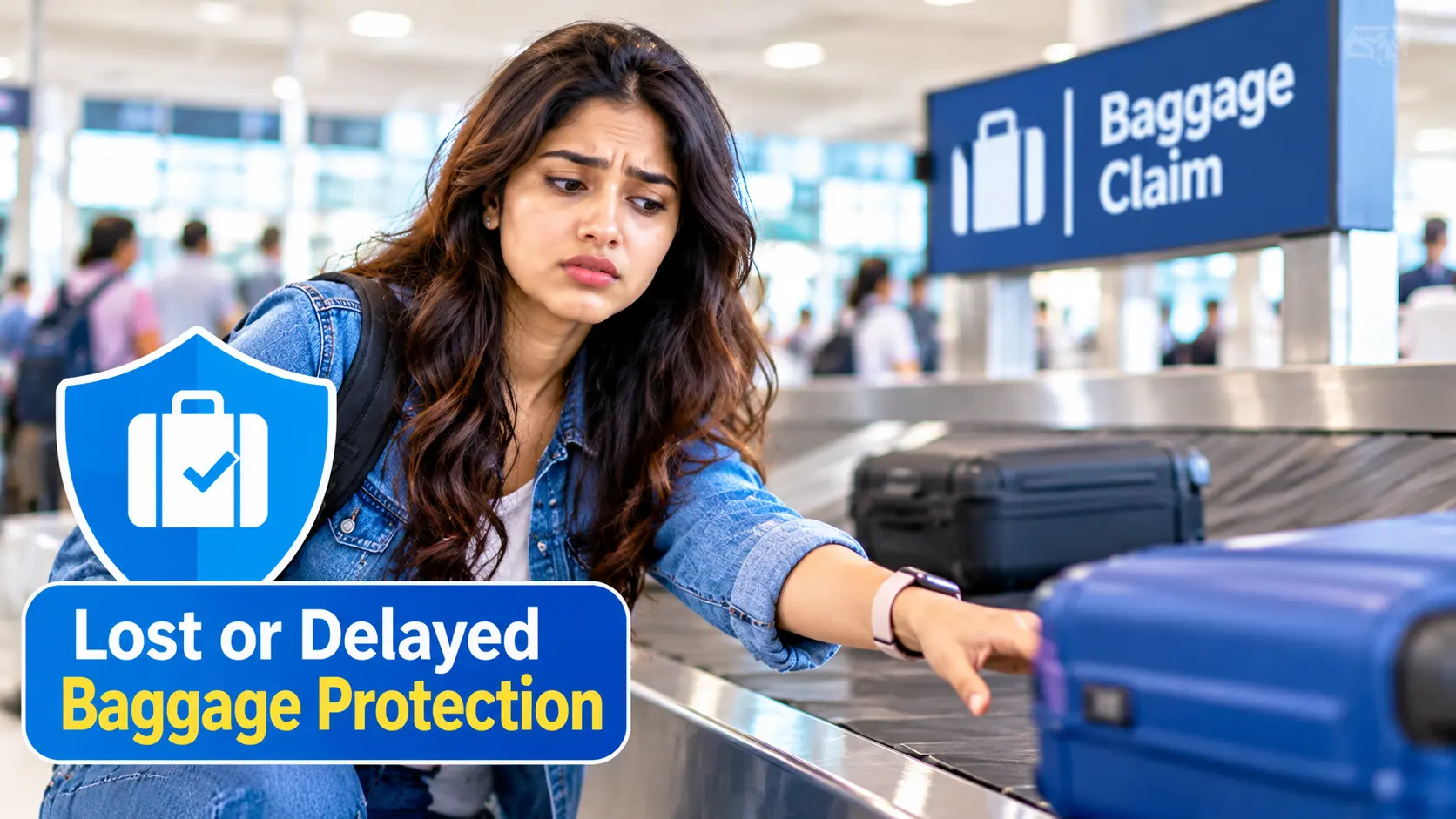
5. Lost or Delayed Baggage Protection
Lost or late bags are one of the most common travel headaches. If yours turns up a day or two late, the plan can pay for basics like clothes and toiletries. If it’s lost, stolen, or damaged, you may be reimbursed up to the plan’s limit.
Do check those limits. Per-item caps are often lower than people expect, so a laptop or camera may not be fully covered.
6. Travel Delay Compensation
A long delay can wreck your schedule and your budget. You might have to buy meals, book a hotel, or pay for a taxi you didn’t plan on.
Delay coverage reimburses those costs once the delay passes a minimum time, usually several hours, and the cause is covered, like bad weather, a mechanical problem, or a strike. Keep every receipt. You’ll need them to file the claim.
7. 24/7 Travel Assistance and Lost Passport Help
Most providers run a 24-hour helpline. Call them and they can find a nearby hospital, arrange emergency transport, or translate for you. If you lose your passport abroad, the same team can walk you through getting a replacement and contacting your embassy, and some plans pay certain replacement fees.
When something goes wrong in a place you don’t know, having someone to call makes a real difference.
8. Personal Liability Coverage
If you accidentally damage someone’s property or injure someone while traveling, you could face a claim. Personal liability coverage helps with those costs.
It isn’t included in every plan, so check your policy before you assume you have it.
9. Coverage for Travel Accidents
Some plans include accidental death and dismemberment (AD&D) coverage. If a serious accident during your trip causes death or permanent injury, a fixed amount is paid to you or your beneficiaries.
Nobody likes to think about this, but it gives your family some financial support if the worst happens.
10. Missed Connection Assistance
If your first flight runs late and you miss the next one, this coverage helps pay for rebooking and an extra night’s stay.
It matters most on trips with several stops and short layovers, where one delay can knock out the whole plan.
11. Protection Against Supplier Bankruptcy
If your airline, cruise line, or tour company goes out of business before you travel, you could lose everything you paid. This coverage can reimburse your non-refundable bookings.
It isn’t standard on every plan, though. Some policies leave out airlines, or only apply if you buy within a set number of days after your first deposit. Read the fine print.
12. COVID-19 and Pandemic-Related Coverage
Many plans now treat COVID-19 like any other illness. If you test positive before leaving or while you’re away, you may be covered for cancellation, interruption, quarantine costs, or medical care.
What’s usually not covered is cancelling just because you’re nervous or because of a travel advisory. Check the exact wording of your plan.
13. Adventure and Sports Coverage
Skiing, scuba diving, and trekking are often left out of basic plans. Some insurers sell an add-on that covers injuries and damaged gear from these activities.
If your trip includes anything risky, check the list of covered activities before you pay.
14. Cancel For Any Reason (CFAR)
Standard cancellation only pays for listed reasons. CFAR is an add-on that lets you cancel for nearly any reason and get back a portion of your trip cost, commonly 50% to 75%.
It costs more, and the rules are strict. You usually have to buy within about 14 to 21 days of your first trip payment, insure 100% of your non-refundable costs, and cancel at least 48 hours before departure. If your plans might change, it’s worth a look.
15. Pre-Existing Condition Waiver
Most plans exclude conditions you had before buying. Many offer a waiver if you buy within a short window after your first trip deposit (typically 14 to 21 days, and a few plans as short as 10) and insure the full non-refundable trip cost.
If you or a close family member has an ongoing health issue, this can make a real difference. Read how your plan defines a pre-existing condition, including the look-back period.
What Travel Insurance Doesn’t Cover
No plan covers everything. Common exclusions include:
- Pre-existing conditions, unless you qualify for the waiver
- Cancelling just because you changed your mind, unless you have CFAR
- High-risk activities not listed in your plan
- Injuries linked to alcohol or drug use
- Known events, like a storm already named before you bought the policy
Read the exclusions page before you pay. It takes five minutes and can save you a denied claim.
Factors to Consider Before Buying Travel Insurance
A few quick checks before you pay:
- Check your trip cost and make sure the coverage limits match it.
- Look at which situations are covered for cancellation and interruption.
- Read the exclusions, especially pre-existing conditions and high-risk activities. Some plans waive the pre-existing condition exclusion if you buy soon after your first trip payment.
- Look at a few plans side by side, and judge them on benefits as well as price.
- Check whether your health insurance works outside your country. If you’re also renting a car, look into car rental insurance too.
Ten minutes on these steps can save you a lot of trouble later.
How Travel Insurance Supports Different Types of Travelers
Different travelers need different things:
- Families – Cover for trip cancellations, illness, and lost baggage.
- Business Travelers – Cover for last-minute changes, delays, and missed connections.
- Adventure Travelers – Cover for sports injuries and emergency evacuation.
- Frequent Flyers – Annual plans, which are often simpler than buying a new policy for every trip.
Pick the benefits that match the risks of your own trip.
Why Planning Ahead Matters
Buy soon after you make your first payment. A plan only covers events that happen after you buy it, and some of the most useful benefits, like Cancel For Any Reason, the pre-existing condition waiver, and supplier default cover, are only available if you buy within roughly 10 to 21 days of your first deposit. Miss that window and those options usually disappear. You can still buy later, you just won’t get them.
Buying early also gives you time to read the policy properly. If you’re in Chicago and still choosing a provider, this list of travel insurance companies in Chicago is a useful place to start.
FAQs
Does travel insurance cover cancelling for any reason?
Only with a CFAR upgrade, which usually repays 50% to 75% and has to be bought soon after booking.
Can I buy travel insurance after booking my trip?
Yes, but you may miss time-limited benefits like CFAR and the pre-existing condition waiver.
Is travel insurance worth it?
It's worth it when you've prepaid a lot you can't get back, or you're travelling somewhere medical care is expensive.
What does travel insurance not cover?
Usually pre-existing conditions (unless waived), changing your mind, risky activities not listed, and injuries linked to alcohol or drugs.
Relax Your Mind Wherever You Travel
Travel insurance may not stop things from going wrong, but it makes dealing with them easier. It protects against financial loss, provides emergency support, and ensures travelers get the help they need anywhere in the world.
Whether it’s a brief vacation or a long international journey, having the right coverage allows you to travel with confidence. The best journeys are about more than just the location, they are also about relaxing your mind, which travel insurance may help you achieve.

Aarvith is the author and founder of Insurance Centrik. He researches various insurance topics, including auto, health, travel, home, and business insurance. He provides accurate insurance information from reliable sources and industry expertise.